
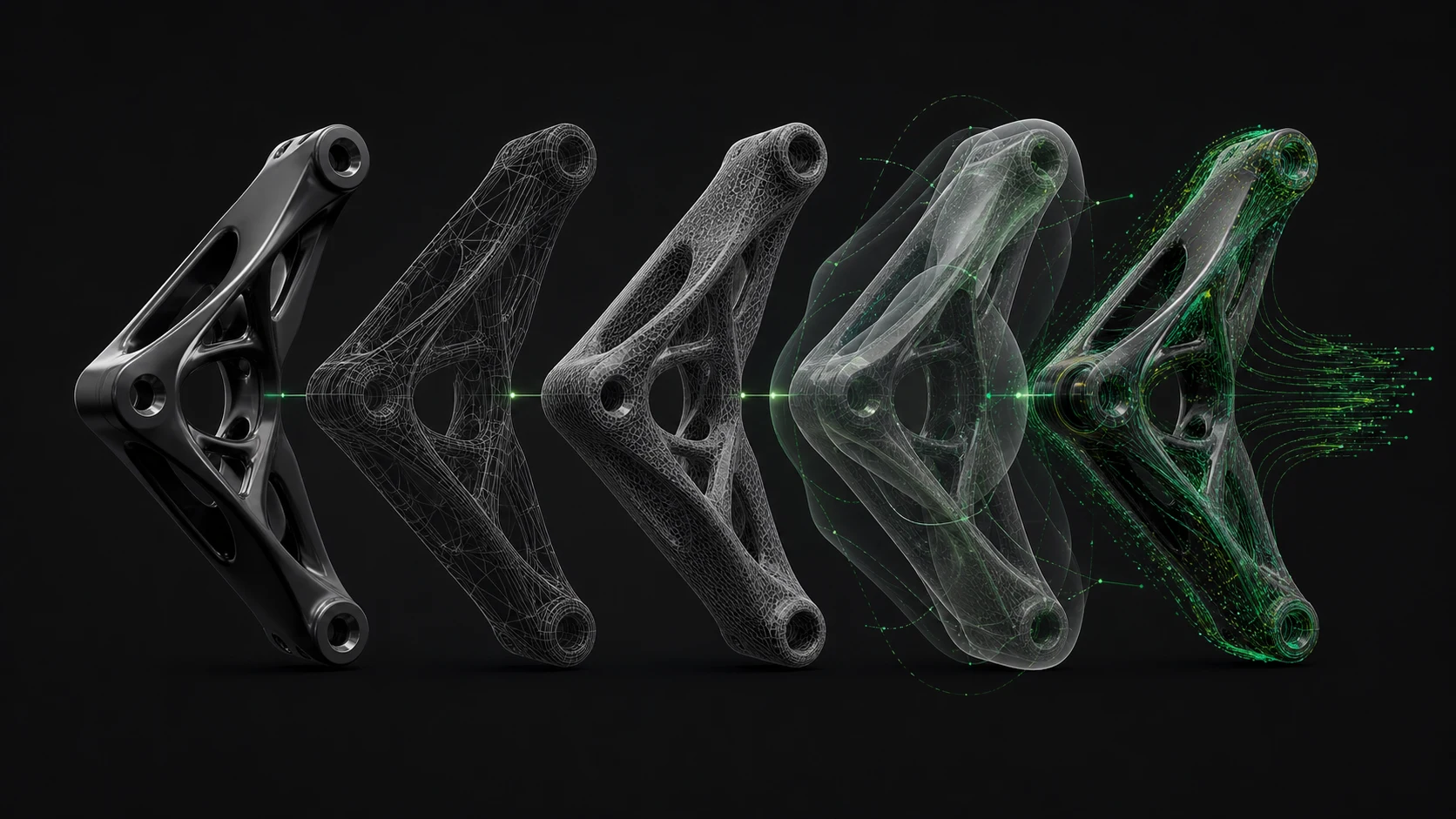
Capability system
One model for the whole engineering problem.
Connect geometry, physics, optimization, feedback, and evidence without making any one tool the source of truth.The system around the model is what turns possibility into a defensible design.
AeroGalactica is building each capability as part of one governed path from engineering intent to physical evidence. Operational lanes are qualified application by application while the common model grows across domains.
Computational geometry generation
Geometry that carries engineering intent.
Generate exact, implicit, field, mesh, and manufacturing views without losing what each feature means.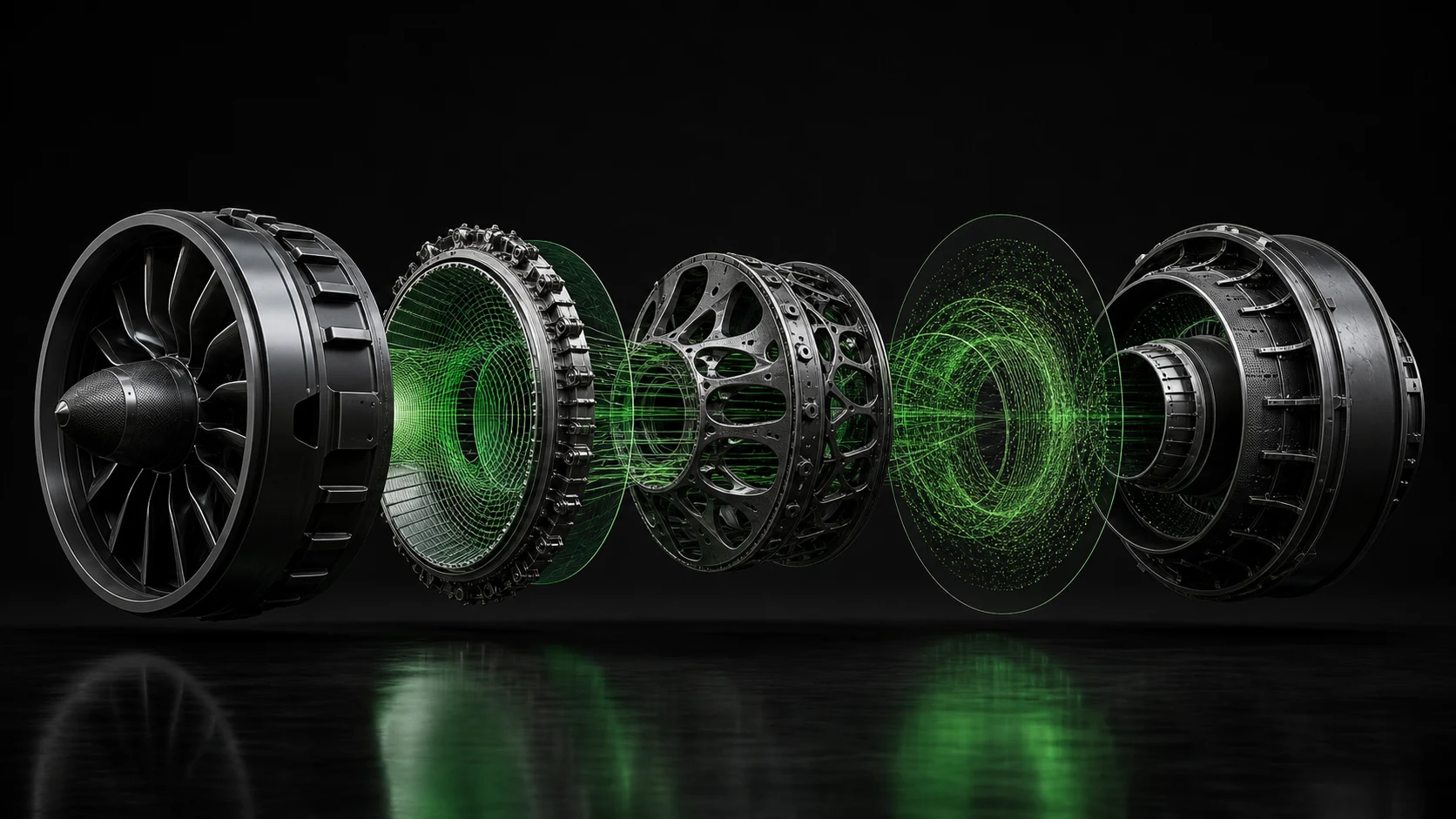
Physics simulation ecosystem
The right physics, without solver lock-in.
Compose qualified thermal, fluid, structural, electromagnetic, and coupled solvers behind stable engineering contracts.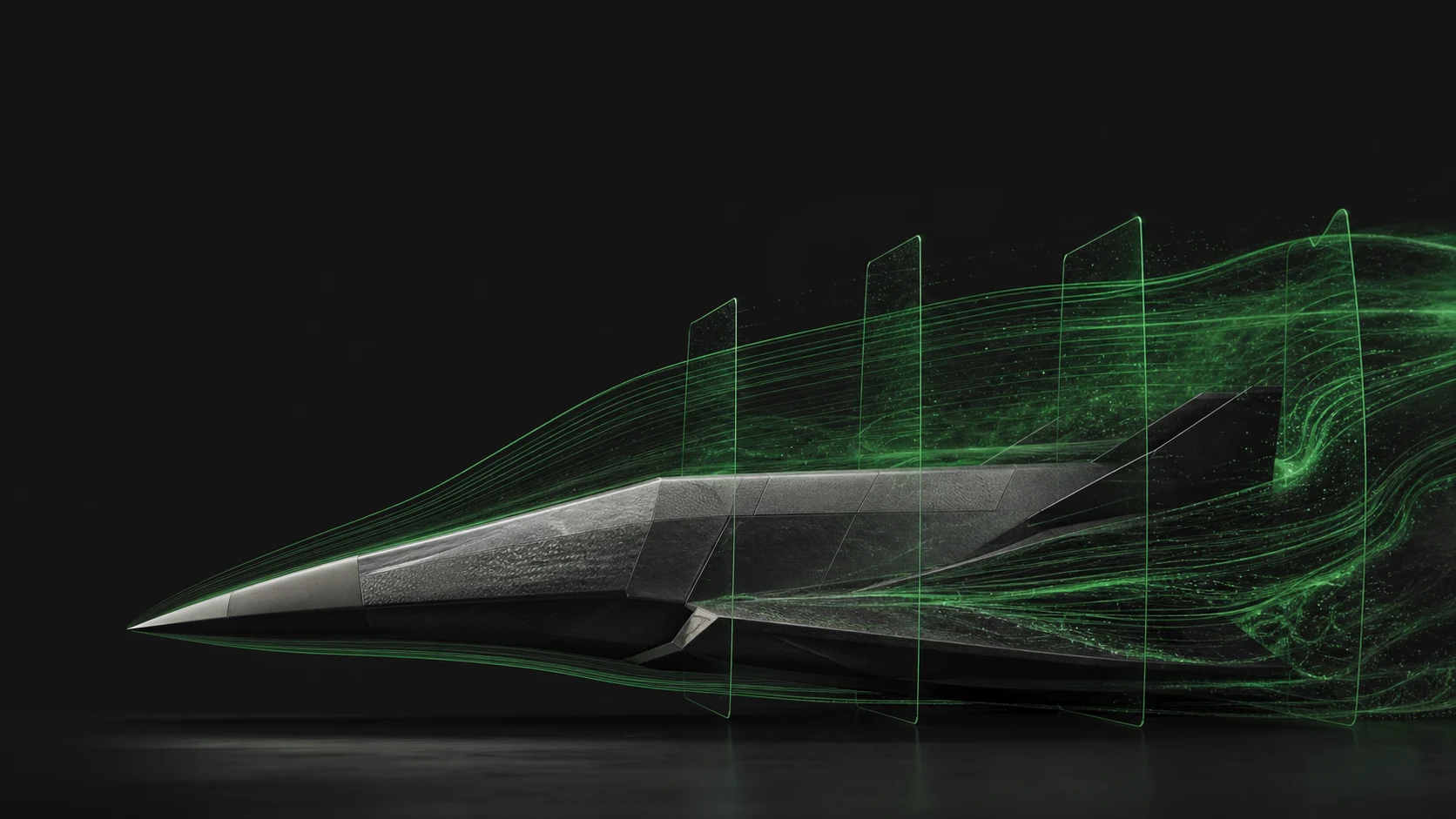
Integrated multidisciplinary design, analysis, and optimization
Trade the whole system, not one discipline at a time.
Coordinate geometry, aerodynamics, structures, thermal behavior, propulsion, controls, cost, and manufacturability.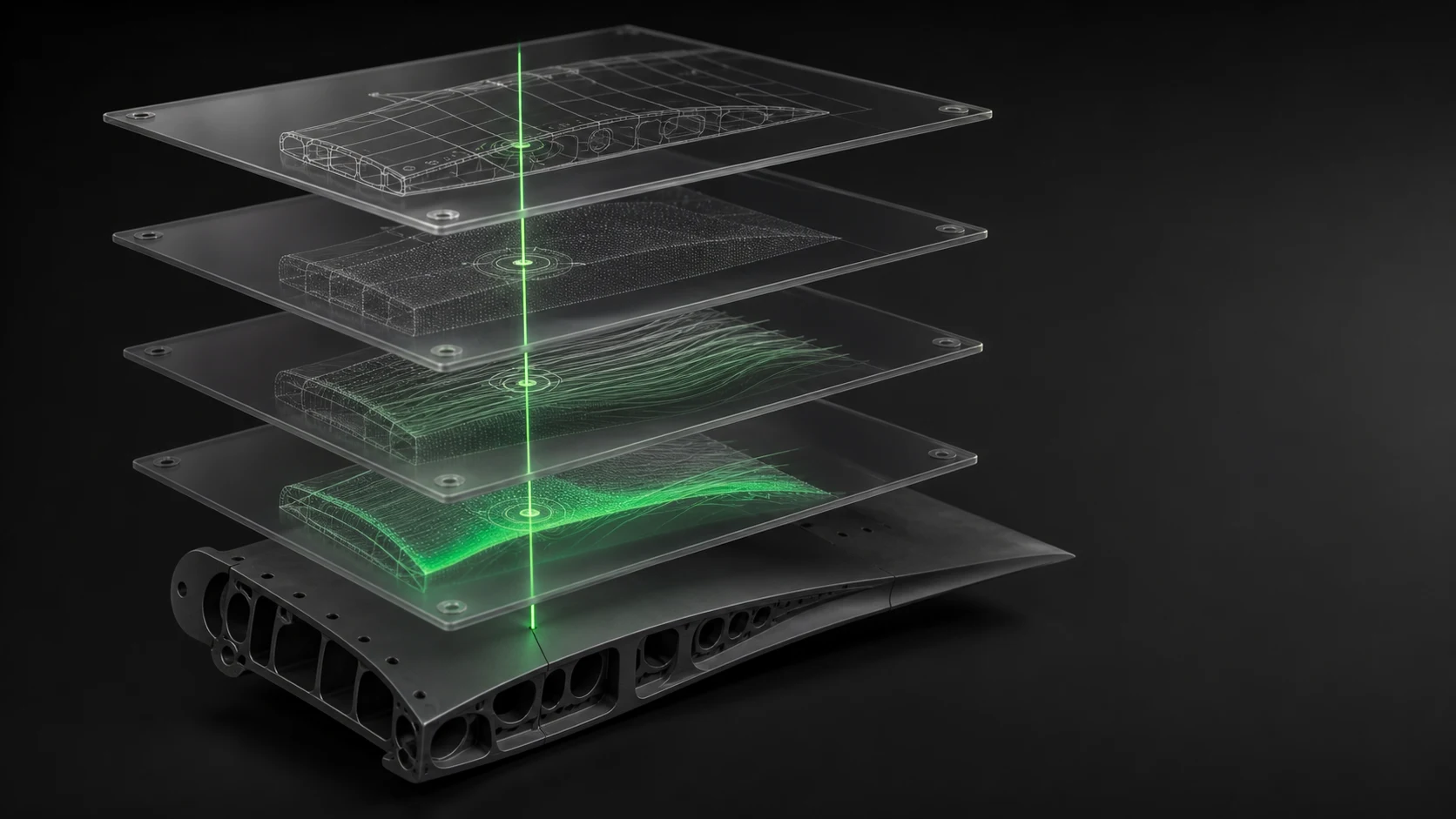
Closed-loop optimization
Every result changes what the system asks next.
Join simulation, optimization, experiments, manufacturing data, and model correction in one governed learning loop.Computational engineering models
A universal engineering model, built from governed design loops.
Connect requirements, construction logic, geometry, physics, manufacturing, optimization, and evidence in one executable model.Start with one consequential engineering decision.